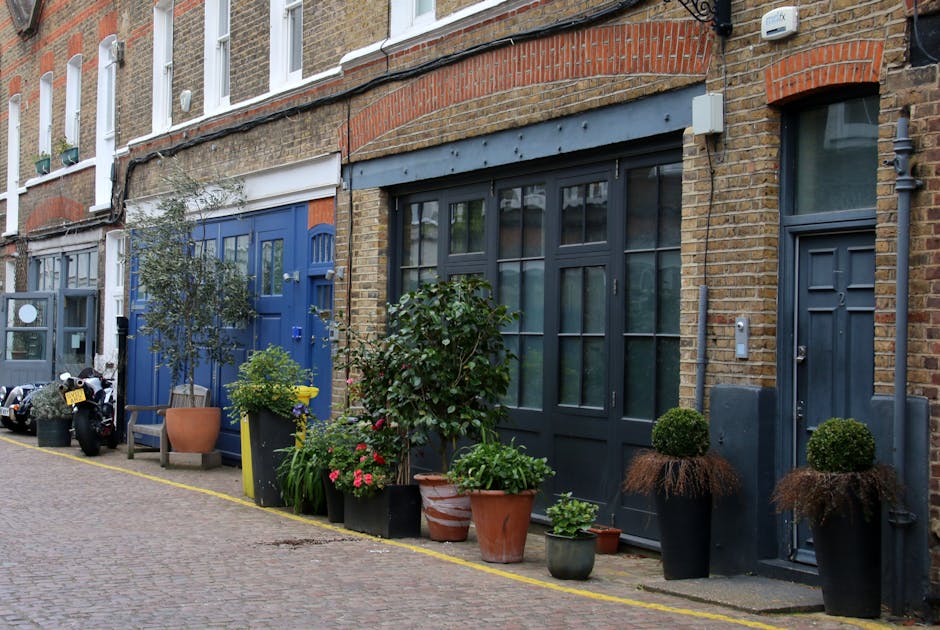
Barnes SW13 gardeners for riverside narrow garden solutions
If you are trying to make a slim riverside garden feel calmer, greener, and easier to live with, you are not alone. Barnes SW13 gardeners for riverside narrow garden solutions need a very specific mix of planning, plant knowledge, and practical common sense. These gardens often have awkward proportions, shaded corners, wind exposure, and access issues that can make even a simple tidy-up feel like a small project in itself.
Truth be told, narrow gardens by the river can be lovely. They catch light differently, they feel private in a way wider plots sometimes do not, and when they are done well, they look quietly elegant. But they can also become cluttered fast. The good news? With the right layout, planting, and maintenance approach, a narrow Barnes garden can feel more spacious without losing its charm. This guide walks through what works, what to avoid, and how to think about the space properly before any soil is moved.
One quick practical note: if you are also comparing wider services or thinking about ongoing upkeep, it can help to look at broader options such as gardener services and garden maintenance so you can judge whether you need a one-off redesign, regular care, or both.
Table of Contents
- Why Barnes SW13 gardeners for riverside narrow garden solutions Matters
- How Barnes SW13 gardeners for riverside narrow garden solutions Works
- Key Benefits and Practical Advantages
- Who This Is For and When It Makes Sense
- Step-by-Step Guidance
- Expert Tips for Better Results
- Common Mistakes to Avoid
- Tools, Resources and Recommendations
- Law, Compliance, Standards, or Best Practice
- Options, Methods, or Comparison Table
- Case Study or Real-World Example
- Practical Checklist
- Conclusion
- Frequently Asked Questions
Why Barnes SW13 gardeners for riverside narrow garden solutions Matters
Narrow gardens in Barnes often face a combination of pressures that do not show up in a standard suburban plot. Riverside air can be breezy and damp at the same time. Boundaries may need privacy without creating a heavy, boxed-in feeling. Soil can vary from one end of the garden to the other, and access for tools, materials, and waste removal is often tighter than people expect. Add in family life, pets, and a desire for something attractive rather than purely functional, and you have a very specific design challenge.
That is why a local approach matters. A gardener who understands compact London gardens will think differently about circulation, planting depth, maintenance frequency, and how to make the eye travel. In a narrow space, every line counts. A misplaced path or overgrown shrub can make the garden feel half its size overnight. On the other hand, the right structure can create a surprisingly generous feel, even if the actual footprint has not changed one bit.
Riverside conditions also influence plant choice. Wind can dry out leaves faster than you expect, reflected light from water can be bright, and some spots stay cooler than you would think in summer. A good gardener reads the site rather than forcing a generic formula onto it. That is the real difference.
Expert takeaway: narrow gardens do not need more stuff; they need better decisions. Fewer materials, clearer lines, and plants chosen for the exact conditions usually beat a crowded, overdesigned layout.
If the space is being refreshed after a long period of neglect, a broader service such as garden clearance can be the sensible first step before any design work begins. It is hard to plan properly when you cannot even see the bones of the garden.
How Barnes SW13 gardeners for riverside narrow garden solutions Works
The process usually starts with observation. Not the glamorous bit, but the useful bit. Where does the light fall in the morning? Which end feels cramped? Is there a drain, shed, fence line, or wall that is stealing usable space? Is the garden mostly visible from inside the house, or is it meant to be a place you walk through and use often? These questions shape everything.
From there, a strong narrow-garden solution usually follows a few principles:
- Define the route. A clear path makes the garden feel intentional. Even a slim run of paving or stepping points can stop the space feeling muddled.
- Layer vertically. In a narrow plot, vertical interest matters more than broad beds. Trellises, climbers, wall planting, and small multi-stem shrubs can add depth without hogging width.
- Use repetition carefully. Repeating a limited plant palette creates calm. Too many different shapes can make a long garden feel chopped up.
- Keep the edges disciplined. Clean boundaries, tidy edging, and well-managed hedges or fences help the eye read the space as larger and more ordered.
- Choose materials that suit the setting. In a riverside environment, surfaces should cope with dampness and occasional mess from leaves, mud, or moss.
The best projects are usually a mix of design and maintenance, not one or the other. A pretty layout that is impossible to keep under control will become frustrating. Equally, immaculate maintenance on a poor layout will only tidy the problem, not solve it. Let's face it, nobody wants to spend every weekend wrestling a garden back into shape.
For many homeowners, a practical combination of gardening services and targeted improvement work is the sweet spot. If the garden needs structural help as well as planting, a look at landscaping can be useful too, especially where levels, paths, or hard edges need attention.
Key Benefits and Practical Advantages
A well-planned narrow garden gives you more than just a better view from the kitchen window. It can change how the whole home feels. In a riverside Barnes setting, where outdoor space may be limited but highly valued, the benefits are practical and emotional at the same time.
- Better sense of space: smart layout tricks can make a long thin garden feel wider and less tunnel-like.
- Easier upkeep: clear borders and appropriate planting reduce the constant battle against overgrowth.
- Improved privacy: carefully placed screening gives seclusion without blocking all light.
- More usable outdoor living: a narrow garden can still fit seating, a small dining area, or a calm reading corner.
- Stronger year-round interest: seasonal structure, evergreen planting, and textured materials keep the space looking alive in winter as well as summer.
- Higher visual quality from inside the house: many narrow gardens are viewed more often than used, so the sightlines matter a lot.
There is also a subtle financial benefit that people sometimes overlook. A garden that looks cared for and well resolved can support a better overall impression of the property. Not a guarantee, of course, and nobody should promise miracles, but a tidy, thoughtfully arranged garden rarely works against a home.
If your outdoor area needs repeated cutting back, regular grass care, or boundary control, you may also want to compare lawn mowing services, hedge trimming, and garden fence installation as part of a long-term plan rather than a one-off fix.
Who This Is For and When It Makes Sense
This kind of tailored gardening support is especially useful if your plot is:
- long and narrow, with limited turning or storage space
- close to the river, where exposure and moisture affect planting
- partly shaded by fences, neighbouring buildings, or trees
- in need of privacy screening without heavy enclosure
- used by children, pets, or guests and therefore needing better flow
- overgrown, cluttered, or awkwardly segmented
It also makes sense if you have tried to solve the garden in small pieces. A few new pots here, a bit of pruning there, a path repair later, and suddenly the space feels fragmented. Happens all the time. That is usually the point where a more joined-up plan starts saving time and money.
Homeowners who want low-stress maintenance are a strong fit too. If you would rather enjoy the garden than constantly revise it, the right solution should reduce complexity rather than add decorative noise. And if you are renting, preparing a property for sale, or managing a family home with limited time, a focused tidy-up and layout review can be a very sensible investment of effort.
Step-by-Step Guidance
A good narrow-garden project does not begin with plants. It begins with questions, measurements, and a reality check. Here is a sensible way to tackle it.
1. Map the space honestly
Measure length, width, and the awkward bits. Note any pinch points, surface issues, or places where you naturally slow down. Look at the garden from indoors too. A narrow garden often needs to work as a visual extension of the living space, not just a place to walk through.
2. Decide the main job of the garden
Ask yourself what the garden must do first. Is it for sitting, growing, privacy, pet access, family use, or simply looking better from the house? If you try to make it do everything, it can become busy and hard to maintain.
3. Clear the clutter before designing
Remove items that no longer serve the layout. Old pots, broken edging, tired sleepers, and excess self-seeded growth can distort the proportions. A proper clear-out often reveals that the garden is larger than it felt. Funny how that works, really.
4. Build one clear route
In a narrow garden, a single well-placed path or stepping sequence can be enough. Keep it simple and consider how the route reads from the doorway. Curves can work, but only if there is enough width to justify them. Otherwise, they can feel forced.
5. Set the vertical structure
Use walls, fences, climbers, slender trees, or trained shrubs to create height and rhythm. This helps draw the eye upward rather than along the full length of the garden. The aim is to soften the corridor effect, not fight it with bulky features.
6. Choose a restrained planting palette
A few well-chosen species repeated in the right places usually outperform a crowded mix. Think in terms of texture, evergreen backbone, and seasonal highlights. In riverside settings, plants that cope with exposure and occasional damp conditions tend to be more dependable.
7. Plan maintenance from the start
If you need access for pruning, watering, mowing, or leaf clearance, make sure the design allows it. Beautiful gardens become annoying very quickly if the only way to maintain them is by crouching awkwardly every Saturday morning.
8. Review the finish from every angle
Stand at the back door, the side return if you have one, and the far end. Narrow gardens live or die by sightlines. A solution should feel coherent from top to bottom, not just from one camera angle. Instagram can be persuasive, but it is not the same as real life.
Expert Tips for Better Results
Here are the details that often separate a decent garden from a quietly excellent one.
- Keep the colour palette calm. Greens, silvers, whites, and one or two accent colours often work better than a bright jumble.
- Use reflective surfaces sparingly. Light-coloured paving or gravel can brighten a shaded narrow space, but too much glare can feel harsh near water.
- Balance height and openness. Tall planting is useful, but avoid making every boundary dense from top to bottom.
- Think about winter structure. A narrow garden can look bare very fast in colder months unless it has evergreen bones.
- Trim early, not late. Frequent light maintenance keeps narrow borders from swallowing the route.
- Leave breathing room around seating. If the furniture feels jammed in, the whole garden feels smaller.
One often-overlooked trick is to place the most visually interesting plants slightly off-centre. Perfect symmetry can feel formal and a bit stiff in a very small space. A gentle offset often looks more natural and relaxed. To be fair, that slight looseness can be exactly what the garden needs.
If you are also dealing with tired surfaces, patio cleaning or pressure washing can bring a huge lift, provided the surface is suitable and the work is done carefully. Mossy paving in a riverside garden can make the whole place feel dull and smaller than it is.
Common Mistakes to Avoid
The biggest mistake is treating a narrow garden like a bigger one with the edges chopped off. That almost never works. The proportions demand a different mindset.
- Overfilling the space: too many pots, ornaments, and mixed materials make the garden feel cramped.
- Using overly broad planting: large shrubs can dominate and block movement or light.
- Ignoring maintenance access: if you cannot reach the back of a border easily, it will become a chore.
- Choosing the wrong fence treatment: dark solid boundaries can help with privacy, but if they are too heavy they may visually squeeze the garden.
- Forgetting drainage and damp: riverside gardens can hold moisture in some areas, so material and planting choices should reflect that.
- Trying to force a lawn where it does not fit: a tiny, awkward lawn can be more hassle than benefit.
Another common issue is using multiple "feature" ideas at once. A pergola, a raised bed, a water feature, a storage box, a dining corner, and a planting wall can be a bit much. One or two strong ideas are usually enough. More is not always better. In fact, sometimes it is worse. There, said plainly.
When a garden has become tangled or half-dead in places, selective tree work may also help. Services such as tree surgeon, tree cutting service, and careful pruning may be needed where roots, shade, or overhang are affecting usable space.
Tools, Resources and Recommendations
You do not need a huge arsenal of gear to manage a narrow garden well, but the right tools make a noticeable difference.
Useful tools
- quality secateurs for frequent light pruning
- a lightweight hedge trimmer for tidy boundary work
- a long-handled hoe or hand fork for slim borders
- compact watering equipment for hard-to-reach corners
- sturdy gloves and knee protection for tight access areas
- pruning saws or loppers for thicker stems and awkward growth
Practical services to consider
Depending on the condition of the garden, it may be worth combining several services rather than trying to solve everything piecemeal. For example, a seasonal reset could include garden services, boundary work with garden fencing, and tidying of paths or paved areas with jet washing where appropriate.
For ongoing work, some homeowners prefer a monthly plan, while others want a one-off redesign followed by occasional visits. There is no single right answer. It depends on how quickly the garden grows, how much time you have, and how polished you want the finish to remain.
Law, Compliance, Standards, or Best Practice
Most garden improvement work in Barnes is straightforward, but there are still sensible standards to keep in mind. If work affects boundaries, trees, or shared access, it is worth checking details carefully before proceeding. If there are protected trees, neighbour concerns, or drainage considerations, take a cautious approach and get the facts first rather than assuming.
From a best-practice standpoint, safe working methods matter. Tools should be used properly, ladders should be appropriate for the task, and waste should be removed responsibly. If a contractor is working on your property, it is reasonable to expect clarity on insurance, safety, and how debris will be handled. That is not being fussy; it is just good housekeeping.
Where fencing, hard landscaping, or major alterations are involved, local planning and property considerations may come into play. You do not need to become a planning expert overnight, but you should avoid guessing. A professional who understands local London conditions will usually flag obvious issues before they become problems.
It is also sensible to work with businesses that can explain their approach to risk, access, and disposal. Pages such as insurance and safety and health and safety policy are helpful for understanding how a company thinks about on-site work. If you are comparing quotes, that transparency matters more than people sometimes realise.
Options, Methods, or Comparison Table
Different narrow gardens call for different strategies. Here is a simple comparison of the most common approaches.
| Approach | Best for | Pros | Watch-outs |
|---|---|---|---|
| Minimal structural refresh | Gardens that already have a decent layout | Quick, cost-conscious, easy to maintain | May not solve deeper flow or privacy issues |
| Plant-led redesign | Spaces that need softness and year-round interest | Improves atmosphere, useful in small footprints | Needs proper species selection and regular care |
| Hardscape-led redesign | Awkward access, poor surfaces, or unclear routes | Creates definition and usability fast | Can look too rigid if overdone |
| Screening and privacy focus | Overlooked riverside gardens | Makes the space feel more secluded and relaxing | Can reduce light if chosen badly |
| Maintenance-first approach | Overgrown or neglected spaces | Fastest way to regain control | Does not always improve long-term design on its own |
If you are unsure which route fits your garden, start with the biggest pain point. Is it privacy, access, clutter, or maintenance load? That answer usually points to the right method surprisingly quickly.
Case Study or Real-World Example
Imagine a narrow Barnes garden behind a terraced home near the river. It has a small lawn that struggles in shade, a path that narrows awkwardly near the back, and a fence line that feels a bit too exposed. The owners want somewhere to sit with coffee in the morning and a few plants that look good through winter.
The solution is not to pack the garden with more features. Instead, the plan might look like this: remove the tired lawn, widen the sense of the route using a cleaner edge detail, add a compact seating area near the house, and build vertical interest with climbers and slim planting at the boundaries. A small number of repeat plants could soften the fence line and keep the composition calm. The result is not bigger in physical terms, but it feels bigger. That is the magic, honestly.
In a real project like this, the most noticeable improvement is often not dramatic. It is the lack of friction. You can walk through without sidestepping. You can sit down without feeling hemmed in. The eye rests. The garden becomes somewhere you want to be, rather than somewhere you pass through on the way to the bins.
And yes, some of the best results come from small fixes rather than big gestures. A trimmed hedge, better spacing, fresh mulch, and a clearer route can change the whole atmosphere of the place by the following evening.
Practical Checklist
Use this checklist before you begin any narrow garden work in Barnes SW13.
- Measure the full garden and note pinch points
- Identify the main purpose of the space
- Check where sun, shade, wind, and damp are strongest
- Remove clutter and unwanted growth first
- Decide on one clear route through the space
- Choose planting that suits riverside conditions
- Keep the number of materials and colours under control
- Leave enough room for maintenance access
- Review boundaries for privacy and visual weight
- Plan for year-round structure, not just summer colour
- Think about waste removal and disposal before starting
- Get clarity on safety, access, and any boundary concerns
If you can tick most of those boxes, you are already ahead of the game. Not perfect, just ahead. That counts.
Conclusion
Barnes SW13 gardeners for riverside narrow garden solutions are really about making a difficult space feel easy. That means reading the site properly, respecting the proportions, and choosing details that help rather than crowd the garden. Narrow gardens need restraint, but they also need personality. The sweet spot is somewhere between practical and beautiful, with enough structure to feel calm and enough planting to feel alive.
If you remember only one thing, let it be this: a small garden does not need to do everything. It just needs to do the right things well. Clear lines, reliable plants, accessible maintenance, and a layout that suits how you live will usually beat a complicated design every time.
Get a free quote today and see how much you can save.
And if your garden is feeling a bit too cramped right now, that is fine. Most good outdoor spaces start with one honest decision and a little patience. The rest tends to follow.
Frequently Asked Questions
What makes a narrow riverside garden in Barnes different from a standard small garden?
Riverside gardens often have more exposure to wind, moisture, and reflected light, so plant choice and materials need a little more thought. A narrow layout also means circulation and sightlines matter more than they would in a wider plot.
Do narrow gardens always need landscaping work?
Not always. Some only need pruning, re-edging, and a simpler planting plan. Others benefit from more structural changes such as new paths, boundary treatment, or a clearer layout. It depends on how the space is currently performing.
How do you make a narrow garden look wider?
Use a clear path, reduce clutter, repeat a small number of plants, and avoid overloading the edges. Gentle offsets and layered vertical planting can also help the eye move through the space more comfortably.
Is a lawn a good idea in a narrow Barnes garden?
Sometimes, but not always. If the space is shaded, damp, or too narrow to maintain well, a lawn can become more work than it is worth. Many narrow gardens work better with planting, paving, or a mixed layout.
What plants suit riverside narrow garden solutions best?
Plants that tolerate variable moisture, wind, and limited rooting space usually perform better. Evergreen structure, slim shrubs, climbers, and textured perennials are often a good starting point, but the exact choice should match the site conditions.
How often will a narrow garden need maintenance?
That depends on planting density, lawn areas, and how much growth the space gets in the season. In practice, narrow gardens often benefit from lighter but more frequent maintenance rather than occasional heavy work.
Can garden fencing help in a narrow garden?
Yes, if it is chosen carefully. Fencing can improve privacy and create a cleaner backdrop for planting. The key is to avoid making the space feel too enclosed or visually heavy.
What is the best first step if my garden is overgrown?
Start with clearance and a simple assessment of the layout. Once you can see the structure again, it becomes much easier to decide what should stay, what should go, and what can be improved.
How do I know whether I need a gardener or a landscaper?
If the main issue is ongoing care, trimming, mowing, and tidying, a gardener is usually the right fit. If you need changes to paths, surfaces, levels, or structure, landscaping may be more appropriate. Many gardens need a bit of both.
Are low-maintenance narrow gardens actually possible?
Yes, absolutely. They need careful planning, though. The trick is to simplify the planting, use robust materials, and make sure the layout is easy to access. Low-maintenance does not mean no-maintenance, but it can be very manageable.
Should I worry about compliance or safety for garden work?
For routine work, most issues are simple common sense. But if trees, boundaries, access, or major alterations are involved, it is wise to check carefully and use safe working practices. A reputable provider should be able to explain how they handle that.
How can I keep a narrow garden attractive all year?
Build in evergreen structure, varied leaf texture, and one or two seasonal highlights rather than relying on summer colour alone. If the bones of the garden are good, it will still look decent in January, which is no small thing in London.
What should I ask before booking help for a Barnes narrow garden?
Ask how the space will be assessed, what the maintenance plan looks like, how access and waste will be handled, and whether the proposal is aimed at both appearance and practicality. Clear answers usually tell you a lot very quickly.