Garden Maintenance London — Recycling & Sustainability
 Garden Maintenance London teams are committed to sustainable, low-impact practices that protect London's green spaces and reduce waste. Our approach to garden maintenance in London focuses on reuse, composting and responsible disposal so that every shrub, lawn and planter contributes to a circular local economy. We set a clear recycling percentage target and report progress internally, ensuring our London garden maintenance services deliver measurable environmental benefits.
We have a formal recycling percentage target of 75% by weight for all non-hazardous green waste and mixed materials removed from sites — a goal that reflects our ambition to go beyond basic compliance. This target covers compostable plant matter, timber suitable for chipping, metal fixtures, and clean aggregates which can be reclaimed. Achieving this requires careful separation on site and strong partnerships with local transfer stations and social organisations.
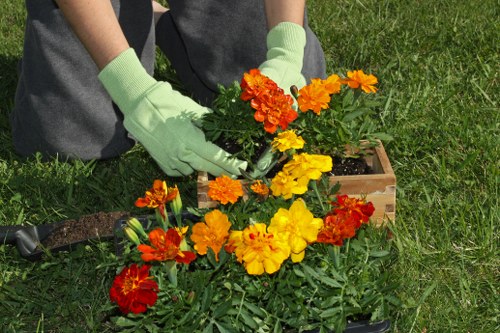 Local recycling practices across London boroughs vary, and our teams adapt accordingly. Many boroughs encourage separate food and garden waste collections, while others operate co-mingled dry recycling systems for glass, paper and plastics. That variability means our London garden services use flexible segregation systems: compostable bags and bins for organics, labelled containers for wood and soil, and dedicated sacks for recyclable plastics and metals.
To move materials efficiently through the waste stream we work directly with strategically located transfer stations in and around Greater London. These transfer hubs allow us to consolidate loads and reduce vehicle miles, cutting carbon emissions and lowering costs. Transfer stations also help us divert materials to specialist processors: anaerobic digestion for food and green waste, wood chipping facilities for brash and timber, and licensed aggregate recyclers for clean hardcore.
Our partnerships with charities are an essential part of our sustainability strategy. We coordinate with local community groups and registered charities to donate reusable items — such as intact planters, bricks, paving slabs and outdoor furniture — that are still in serviceable condition. These partnerships support social value outcomes while keeping useful materials in circulation and out of landfill.
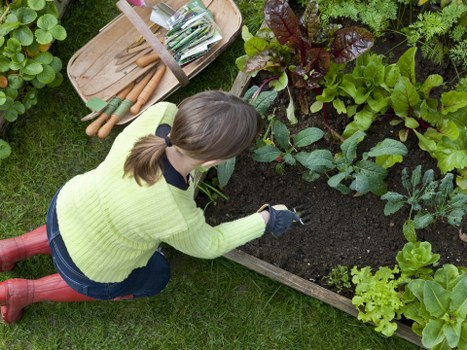 We maintain ongoing relationships with community projects that accept compost, woodchip and reclaimed stone. That means waste from a London garden maintenance job can be transformed into community allotment compost, playground mulch, or the raw materials for an urban greening initiative. These practices make our London garden maintenance operations a contributor to local resilience and biodiversity.
Transport is a major focus for lowering the carbon footprint of our garden maintenance fleet. We are rolling out low-carbon vans — including electric vans and Euro-6 hybrid models — to reduce tailpipe emissions during local rounds. Our routing algorithms prioritise fewer moves and fuller loads, and we schedule multiple garden visits within the same borough to cut mileage and improve efficiency across our garden services in London.
 Underpinning our operational rules is a straightforward waste hierarchy we apply on every job: reduce first, then reuse, then recycle. Where possible we avoid removing materials at all by recommending on-site reuse or in-situ improvement. When removal is necessary we sort materials using clear labelling and colour-coded containers, which helps meet both our 75% recycling target and the specific waste separation rules in different boroughs.

How we separate and process key materials
- Green waste: composted or sent to anaerobic digestion where available.
- Timber and wood: chipped for mulch or biomass energy, prioritising reuse of untreated wood.
- Soil and aggregates: screened and reclaimed when free from contamination.
- Metals and fixtures: separated and recycled through authorised metal recyclers.
Reporting, improvement and community benefit
We provide regular internal reporting against our goals and review processes to identify gains in diversion and carbon reduction. As part of our commitment to London communities, we run seasonal drives to donate usable materials to local charities and volunteer environmental projects. That gives our garden maintenance in London a strong social dimension: every reclaimed planter or donated brick becomes a small act of urban regeneration.
In summary, our sustainability program blends ambitious targets, local knowledge of borough waste systems, practical on-site separation, collaboration with transfer stations, charity partnerships and a transition to low-carbon vans. This integrated approach ensures our London garden maintenance services not only keep outdoor spaces beautiful, but also accountable to the environment and the communities we serve.