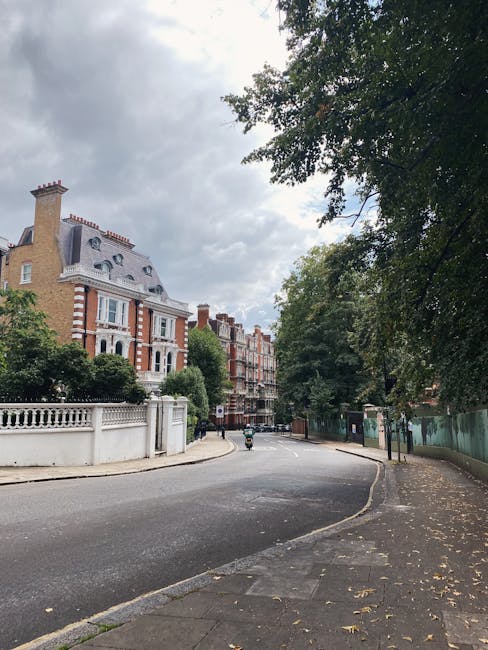
Chelsea SW3 gardeners local guide for small gardens
Chelsea has a very particular kind of garden. Often it is compact, partly enclosed, beautifully overlooked, and expected to look calm even when the space is doing a lot of work behind the scenes. That is exactly why a Chelsea SW3 gardeners local guide for small gardens matters. If you have a tiny courtyard, a narrow strip behind a terrace, a basement lightwell, or a small front garden that has to work hard all year, the right approach can make it feel considered rather than cramped.
In practice, small-garden success in SW3 is less about squeezing in more plants and more about making sharper choices. The best results usually come from disciplined pruning, smart planting structure, a good understanding of light and shade, and a realistic maintenance rhythm. That sounds straightforward, but let's face it, a small garden can become cluttered in a hurry. One week it is elegant. The next, it has gone a bit feral at the edges.
This guide walks through how local gardeners think about compact Chelsea spaces, what to prioritise, what to avoid, and how to get a garden that still feels generous even when the footprint is modest. If you also want to understand the broader standards behind a professional service, you can browse the company's about us page and recycling and sustainability approach for a clearer picture of how work is handled responsibly.
Table of Contents
- Why Chelsea SW3 gardeners local guide for small gardens Matters
- How Chelsea SW3 gardeners local guide for small gardens Works
- Key Benefits and Practical Advantages
- Who This Is For and When It Makes Sense
- Step-by-Step Guidance
- Expert Tips for Better Results
- Common Mistakes to Avoid
- Tools, Resources and Recommendations
- Law, Compliance, Standards, or Best Practice
- Options, Methods, or Comparison Table
- Case Study or Real-World Example
- Practical Checklist
- Conclusion
- Frequently Asked Questions
Why Chelsea SW3 gardeners local guide for small gardens Matters
Small gardens in Chelsea are rarely simple. They are shaped by high-end expectations, awkward boundaries, neighbouring walls, fluctuating shade, and the everyday reality of limited storage. That combination means a generic gardening approach often misses the mark. A local guide matters because it reflects the actual conditions you are dealing with: tight access, urban microclimates, mature neighbouring trees, reflected heat from brick and stone, and the need for a garden to look finished from every angle.
There is also the aesthetic side. Chelsea gardens are often seen from multiple points: kitchen windows, side returns, upper floors, and sometimes from the street. In a small space, one messy corner can dominate the whole view. One overgrown shrub can swallow the balance. So the job is not simply "garden maintenance"; it is visual editing, plant management, and spatial planning all at once.
In our experience, people are often surprised by how quickly a compact garden can improve once the structure is corrected. A careful prune, a better path line, and a more restrained planting palette can make the space feel twice as calm. Not bigger, exactly. Better. And that is usually the real goal.
Expert summary: For small gardens in SW3, the best results usually come from clear structure, restrained planting, and regular maintenance rather than dramatic redesigns.
If you are comparing providers, useful trust signals matter too. Look for clear service information, sensible policies, and a straightforward route to ask questions. The company's insurance and safety information and health and safety policy are worth checking because compact gardens often involve narrow access, steps, awkward lifting, and work near windows or boundaries.
How Chelsea SW3 gardeners local guide for small gardens Works
The process is usually more methodical than people expect. Good gardeners do not just turn up and start cutting. They assess the light, soil condition, access points, plant health, drainage, and how the garden is actually used. That first observation phase matters more in a small garden than in a large one because there is less room for error.
Here is the practical flow most experienced local gardeners follow:
- Assess the space: Identify the main use of the garden, whether it is for relaxing, dining, container planting, children, or just looking good.
- Map the light: Note where direct sun falls and where shade dominates through the day.
- Check the structure: Look at paths, edges, raised beds, walls, railings, trellis, and planting zones.
- Review the plants: Decide what is thriving, what is crowded, what is leggy, and what should come out.
- Set a maintenance rhythm: Agree whether the garden needs weekly, fortnightly, or seasonal attention.
That rhythm is crucial. Small gardens do not always need dramatic intervention, but they do need consistency. A quick tidy every two or three weeks can prevent the familiar Chelsea problem of "it looked lovely in April and somehow it is now a bit unruly by June." That happens. More often than people admit.
Professionally managed maintenance also tends to include responsible waste handling, selective pruning, hedge shaping where appropriate, and advice on what to plant next. If your household values tidy disposal and lower-impact practices, it may help to read the recycling and sustainability page before booking work.
Key Benefits and Practical Advantages
Working with a local Chelsea gardener for a small garden offers benefits that go well beyond appearance. Yes, the garden looks better. But the real value is usually in control, time-saving, and making the most of the space you already have.
- Better proportions: Small spaces need visual balance. The right pruning and planting choices stop the garden feeling crowded.
- More usable space: Clear edges, defined paths, and disciplined planting make the garden easier to enjoy.
- Healthier plants: Crowded plants compete for light and airflow. Careful thinning often improves resilience.
- Less routine stress: A maintenance plan removes the constant "I should really get round to this" feeling.
- Smarter seasonal interest: You can have colour across the year without filling every gap.
- Higher curb appeal: In Chelsea, presentation matters. A neat front garden or courtyard can change the whole feel of a property.
One practical advantage that people often overlook is how maintenance affects access and usability. If pots are left too close together, bins become hard to move. If shrubs spill into a narrow route, windows may get shaded more than expected. Tiny space, big knock-on effects. That is the reality.
Another advantage is predictability. A garden that is regularly maintained does not need rescue missions. The work becomes lighter, tidier, and cheaper to manage over time. A fair point, really.
Who This Is For and When It Makes Sense
This kind of local gardening approach is ideal for homeowners, tenants, landlords, and property managers who want a small garden to look polished without becoming a full-time project. It is also useful if the garden is part of a larger home renovation or if you are preparing a property for sale or long-term letting.
It makes sense especially when:
- your garden is underused because it feels cramped or awkward
- the planting has become overgrown or unbalanced
- you want a more elegant look with less clutter
- you need someone who understands urban garden constraints
- you prefer routine upkeep over one-off upheaval
It is also a smart option if you have limited time. Small gardens can fool people. They look manageable at first glance, but once the hedging, deadheading, weeding, feeding, and clean-up are added together, they can become surprisingly time-consuming. On a damp Friday morning, that can feel like a lot for a space the size of a sitting room.
If you are planning ahead, it is worth reviewing pricing and quotes early so you can match the level of service to your budget and expectations. And if you like to understand the team before committing, the contact page is the sensible next step for asking specific questions about your garden layout.
Step-by-Step Guidance
The best way to improve a small Chelsea garden is to work in sequence. Rushing straight into plant purchases usually leads to more clutter, not less. Here is a simple, practical process.
1. Start with a full reset of the layout
Look at the garden as a shape, not just as a collection of plants. Where do people stand? Where does the eye stop? Which path is most obvious? In compact gardens, these questions matter more than they would in a larger landscape.
Often, the smallest changes have the biggest visual effect. A cleaner edge line can make a bed feel intentional. A better pot arrangement can stop the patio from feeling busy. And yes, the odd oversized planter can make a space feel a bit bossy. Nobody wants a bossy planter.
2. Prune for space, light, and form
Pruning in a small garden should be careful and purposeful. The aim is usually to open up light, improve shape, and stop plants from dominating. That does not mean hacking things back randomly. You want balance. If a shrub looks healthy but is too bulky, selective reduction is often better than a hard chop.
3. Simplify the plant palette
In small spaces, fewer plant types often work better than many different ones. Repetition creates calm. Too many competing textures can make the area feel busy and visually fragmented. Choose a core structure of evergreen plants, then add seasonal colour in controlled pockets.
4. Improve the soil and containers
Small gardens are often container-heavy, and containers dry out faster than people expect. Fresh compost, proper drainage, and a sensible watering routine can make a huge difference. If the soil is poor, root growth suffers and everything becomes a little more fragile. Not dramatic, just steadily disappointing.
5. Set the maintenance cycle
Once the garden is back under control, decide how often it needs attention. For many Chelsea small gardens, the sweet spot is regular light maintenance rather than sporadic heavy work. That usually keeps the cost and disruption down too.
6. Add finishing touches
Only after the structure is right should you add decorative details such as statement pots, trellis, outdoor lighting, or a seating nook. These final touches can be lovely, but they work best when the garden already has discipline. Otherwise, they just add more things to tidy.
Expert Tips for Better Results
Here are a few techniques that often make small gardens in SW3 look more refined without trying too hard.
- Use repetition: Repeating the same plant, pot shape, or colour family gives a tiny garden coherence.
- Keep a strong edge: Clean borders and straight lines create instant order.
- Think vertically: Trellis, climbers, and wall-trained plants can add height without using floor space.
- Choose plants for the actual light: A garden that faces north will need different choices from one that bakes in afternoon sun.
- Leave some breathing room: A pot or plant with space around it often looks more elegant than one squeezed into a corner.
- Plan for winter: A small garden should still look composed when flowers fade. Evergreen structure helps a lot.
One helpful little rule is this: if something looks "nearly right," in a small garden it may still be wrong. Tight spaces are unforgiving that way. On the other hand, they reward precision very quickly. A few adjustments can create that polished Chelsea feel people are usually after.
If you want a service level that takes standards seriously, look for clear commitments around terms and conditions and payment and security. Those pages do not make the garden prettier, of course, but they do show whether the business is organised and transparent.
Common Mistakes to Avoid
Most small-garden issues are not caused by one bad decision. They come from a series of small ones. That is what makes them annoying.
- Overplanting: Filling every inch may feel efficient, but plants need air, light, and room to mature.
- Choosing novelty over suitability: A plant may look stunning in a nursery and still be completely wrong for your light levels.
- Letting containers multiply: Too many pots can create visual noise and become a watering headache.
- Ignoring scale: A big leaf or bulky shrub can overwhelm a tiny plot surprisingly fast.
- Skipping regular maintenance: Small gardens forgive less. A missed month can show.
- Forgetting the view from indoors: In Chelsea, you often see the garden through windows first, not from the path.
Another common mistake is treating all small gardens as if they need the same solution. A shaded courtyard has different needs from a sunny town-house patio. A narrow side return has different priorities again. Truth be told, that is where local experience earns its keep.
And one more: don't assume that "low maintenance" means "no maintenance." It rarely does. Usually it means smart maintenance. There is a difference, and a fairly important one.
Tools, Resources and Recommendations
You do not need a vast toolkit for a small garden, but the right tools save time and improve the finish. For homeowners, a compact set of well-kept tools is usually enough for basic care. For more involved work, professional equipment makes pruning, clearing, and tidy-up much more efficient.
| Need | Best approach for a small garden | Why it helps |
|---|---|---|
| Routine maintenance | Regular light visits | Keeps plants tidy and prevents overgrowth |
| Overgrown shrubs | Targeted pruning | Restores shape without stripping the garden bare |
| Limited sunlight | Shade-tolerant planting plan | Improves plant health and reduces replacements |
| Cluttered patio or courtyard | Layout simplification | Creates breathing room and a cleaner visual line |
| Seasonal refresh | Container replanting and surface tidy-up | Gives the garden a lift without major disruption |
When choosing help, it can be useful to ask what is included, how green waste is handled, and whether there is a clear process for quote requests and scheduling. The company's pricing and quotes page is a sensible reference point for what to expect before any work begins.
For those who value straightforward service information, the site also provides an accessibility statement and a privacy policy, which can be reassuring when you are sharing property details or arranging access.
Law, Compliance, Standards, or Best Practice
For small gardens in Chelsea, compliance is usually less about dramatic legal issues and more about professional best practice. Still, some points matter. Garden work can involve sharp tools, ladders, waste removal, handling heavy bags, and work near windows, shared boundaries, or public footpaths. A responsible gardener should work with safe methods, good communication, and appropriate insurance.
If work is being done in a residential setting, sensible best practice includes:
- clear agreement on the scope of work
- careful handling of tools and plant waste
- respect for neighbours and shared access
- safe working around children, pets, and fragile surfaces
- transparent pricing and payment terms
It is also worth checking how the business handles complaints and customer concerns. That may sound dull, but it is part of trust. The complaints procedure and modern slavery statement reflect the kind of policy detail that shows a business is thinking beyond the immediate job.
For many readers, the practical takeaway is simple: hire people who work safely, communicate clearly, and leave the site tidy. In a compact Chelsea garden, neat working habits matter just as much as the finished result.
Options, Methods, or Comparison Table
There are a few different ways to manage a small garden in SW3, and the best option depends on your time, budget, and how polished you want the result to feel.
| Method | Best for | Strengths | Limitations |
|---|---|---|---|
| DIY maintenance | Hands-on homeowners with some time | Lower direct cost, full control | Easy to fall behind, easy to miss detail |
| Seasonal professional tidy-up | Gardens that need periodic resets | Good for pruning, clearance, and rebalancing | Can drift out of shape between visits |
| Regular maintenance visits | Small gardens that need a consistently neat look | Best for presentation and long-term control | Requires an ongoing budget |
| Design-led refresh plus maintenance | Gardens that feel awkward or poorly laid out | Can solve structure and upkeep together | More planning needed up front |
For many Chelsea households, the sweet spot is a combination: a proper reset first, then lighter ongoing care. That way the garden stops fighting you. It becomes manageable, and that is a lovely thing to say about a garden, honestly.
Case Study or Real-World Example
Imagine a small SW3 courtyard with one side in shade, two large pots that have become awkwardly crowded, and a climber running wild across the back fence. The space is pleasant enough, but it feels visually busy and a little tired. Most people looking at it think they need more plants. In reality, they need fewer, better-placed ones.
A sensible local gardener might begin by removing dead growth, reducing the bulk of the climber, and re-spacing the pots so the eye can move through the space. Then the planting palette might be simplified: one evergreen structure, one flowering feature, and one or two container accents rather than a dozen competing details. Suddenly the courtyard breathes.
The difference is not always dramatic in the "before and after" magazine sense. It is more subtle. The garden becomes easier to look at. Easier to step into. Easier to keep tidy on a Tuesday afternoon when you are carrying shopping in and the bins need moving and, well, life is happening. That is the kind of improvement that lasts.
If a local homeowner wanted to go one step further, they might ask for an annual care plan, some seasonal replanting, and periodic checks on structural growth. That approach usually prevents the garden sliding back into clutter. Small space, steady hands. Simple enough.
Practical Checklist
Use this checklist before booking or planning work in a small Chelsea garden.
- Have you identified the main use of the garden?
- Do you know which parts get sun, shade, or reflected heat?
- Are the plants currently crowded, leggy, or difficult to maintain?
- Do paths, doors, and storage areas have enough clearance?
- Would a simpler planting scheme improve the look and upkeep?
- Do you need regular maintenance or just a seasonal reset?
- Have you checked insurance, safety, and service terms?
- Have you thought about waste handling and recycling?
- Do you want the garden to look good mainly from inside, outside, or both?
- Are you clear on budget, schedule, and what is included?
A quick reality check helps too: if the space feels overloaded before work begins, it probably needs structure more than decoration. That one insight saves a lot of money and a lot of regret.
Conclusion
Small gardens in Chelsea SW3 can be quietly brilliant when they are handled with restraint, care, and a good eye for proportion. The trick is not to force the space into something it is not. It is to bring out what is already there: light, texture, structure, and a sense of calm. That is where experienced local gardeners really earn their place.
Whether you need a tidy-up, a seasonal reset, or a more thoughtful maintenance plan, the key is to start with the garden's real conditions and work from there. Keep it simple where you can. Be precise where it matters. And do not be afraid of leaving a little breathing room.
Get a free quote today and see how much you can save.
When a small garden is done well, it doesn't shout. It just quietly makes everyday life feel better. And that, to be fair, is the whole point.
Frequently Asked Questions
What do Chelsea SW3 gardeners usually do for small gardens?
They usually focus on pruning, tidying, plant shaping, weed control, container care, and improving the layout so the space feels more open and manageable. In small gardens, structure matters as much as planting.
How often should a small garden in Chelsea be maintained?
That depends on the planting and how polished you want it to look, but many small gardens benefit from regular light maintenance rather than occasional heavy work. A steady rhythm keeps everything under control.
Is a small garden worth professional maintenance?
Usually, yes. Small gardens can be deceptively time-consuming, especially if they include shrubs, climbers, pots, or shaded areas. Professional care can keep them looking neat without turning weekends into a gardening marathon.
What makes Chelsea small gardens different from other London gardens?
They often have tighter boundaries, more overlooked sightlines, more shade from surrounding buildings, and stronger expectations for presentation. That mix means a more precise, considered approach is useful.
Can a tiny courtyard still look elegant?
Absolutely. In fact, tiny courtyards often look best when the planting is restrained and the layout is clean. Repetition, simple colour palettes, and well-kept edges can make a huge difference.
What are the most common problems in compact SW3 gardens?
Overcrowding, uneven light, poor drainage in containers, overgrown shrubs, and visual clutter are common issues. Access can also be tricky, especially if the garden is reached through the house or a narrow side passage.
Should I choose more plants or fewer plants for a small garden?
Usually fewer. A small garden often feels better when the planting is selective and repeated with purpose. Too many different plants can make the space feel busy and harder to maintain.
What should I ask before booking a gardener?
Ask what is included, how waste is handled, whether they are insured, how often they recommend visits, and how pricing works. Clear answers are a good sign. Vague answers, not so much.
Can gardeners help with both design and maintenance?
Yes, many can help improve the layout as well as maintain it. That is often the smartest route for a small garden because structure and upkeep are closely linked.
How do I keep a small garden looking good through winter?
Use evergreen structure, keep surfaces clear, and avoid relying only on summer colour. A winter garden should still feel tidy and intentional, even if it is quieter.
Do I need to worry about safety and insurance?
Yes, especially in compact gardens where tools, steps, or awkward access can increase the chance of accidents. It is sensible to check that the work is covered by appropriate insurance and carried out safely.
Where can I find out more about service details and policies?
You can review the company's pricing and quotes, insurance and safety, and terms and conditions pages for practical service information before you decide.